
Course Description
This masterclass will cover the basics of obtaining cellulose, hemicellulose, and lignin from biomass (biobased feedstocks). It starts with a quick overview of the (more mainstream) cellulose and hemicellulose-based products. Then, the majority of the course will focus on lignin and motivate the need for lignin valorization, even in a cellulosic and hemicellulosic context.
Key vignettes will discuss addressing challenges around lignin recalcitrance and heterogeneity, engineering routes to the generation of lignin-derived small molecules, utilizing various lignin waste feedstocks, developing technoeconomic analysis (TEA) and life cycle assessment (LCA) strategies to quantify aspects of economic and environmental sustainability, and demonstrating the performance advantages unlocked through the use of lignin-based feedstocks in materials design.
Brief industrial case studies will be provided to illustrate several key points. Finally, the course will conclude with a teaser discussing how learnings from lignin valorization can be applied to plastic waste circularity.
Meet The Instructor
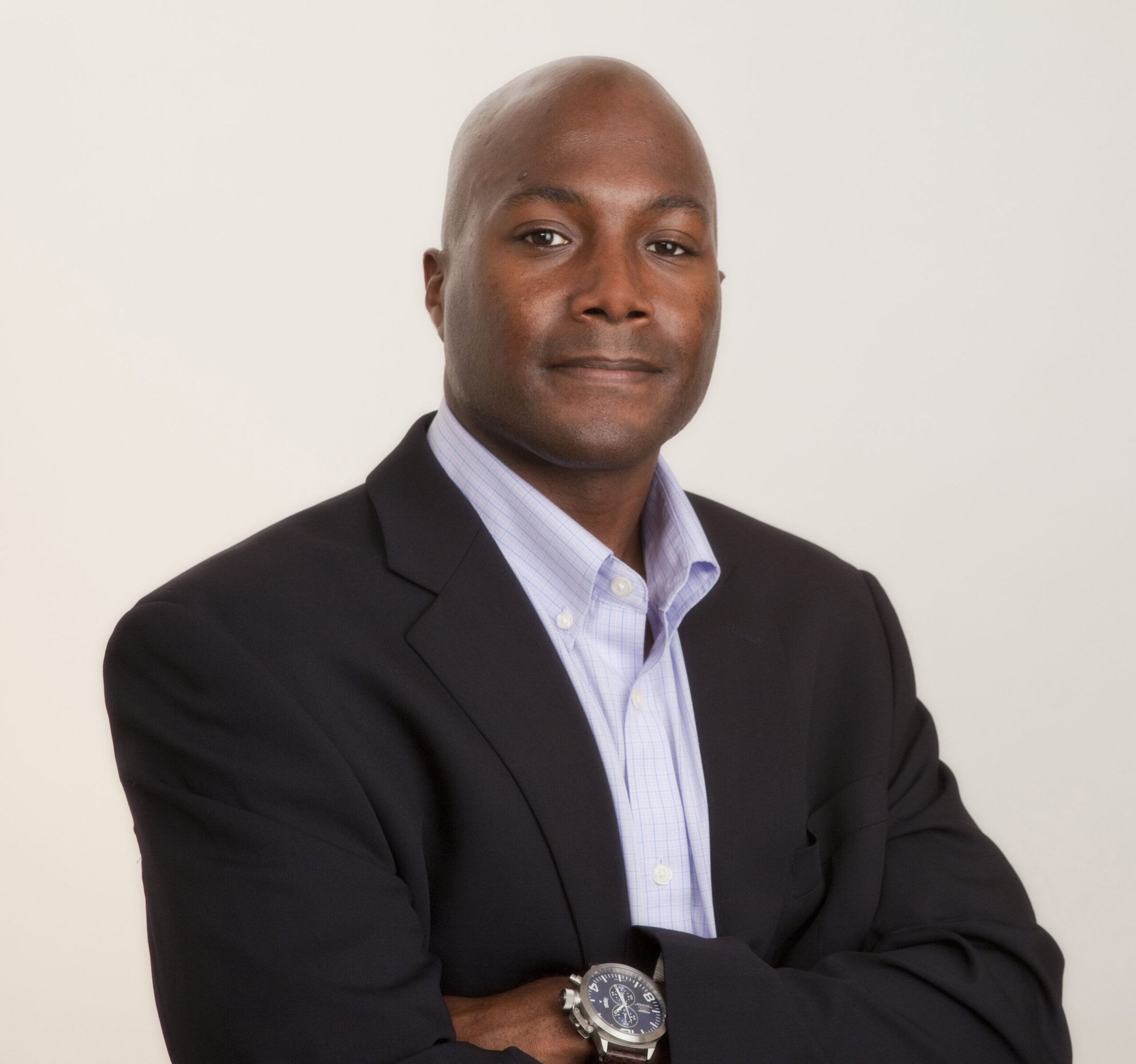
Thomas H. Epps, III, is the Allan & Myra Ferguson Distinguished Professor of Chemical & Biomolecular Engineering at the University of Delaware (UD) with appointments in Materials Science & Engineering, Mechanical Engineering, and Biomedical Engineering. He is Director of the Center for Research in Soft matter & Polymers (CRiSP), Director of the NSF MRSEC at UD called CHARM (Center for Hybrid, Active, and Responsive Materials), and Deputy Director of the DOE EFRC at UD called CPI (Center for Plastics Innovation).
His research expertise includes polymers and materials from biobased and plastics waste feedstocks, polymeric materials for ion-conduction membranes, polymer composites for toxic agent remediation, and nanostructured assemblies for targeted drug delivery and gene therapy. He is a Fellow of the American Physical Society, Royal Society of Chemistry, American Institute for Medical and Biological Engineering, American Chemical Society (overall, POLY, PMSE), American Institute of Chemical Engineers, National Academy of Inventors, and American Association for the Advancement of Science. Thomas has over 170 publications, 16 patents, and several technologies under development.
Dates & Times
Feb 04, 2026
10:00 am - 11:00 am
Pricing
FREE for AOCS members
Education Type
- Masterclasses
Delivery Method
- Live Virtual
Topics
- Biochemistry
- Biotechnology
- Industrial Oil Products
Learning Objectives
- Recognize key opportunities for the co-valorization of biomass feedstocks
- Evaluate separation and purifications needs/strategies associated with lignin utilization
- Understand opportunities for the development of a portfolio of valorized products
- View biobased resources through the lens of resource localization and security
- Conceptually understand the key decision points and pitfalls associated with TEA and LCA in biobased
- refining operations
- Understand potential for property enhancement from lignin-derivable products
Instructor(s)
Thomas H. Epps, III
Allan & Myra Ferguson Distinguished Professor of Chemical & Biomolecular Engineering
University of Delaware
Registration & Access
FREE for AOCS members
Related Resources & Education
Masterclasses
Valorization of Biobased Feedstocks: Lignin Trash to Treasure
This masterclass will cover the basics of obtaining cellulose, hemicellulose, and lignin from biomass (biobased feedstocks).
INFORM seminars, Webinars (On-Demand)
Realizing Power-to-Food: Optimizing microbial hydrogen fermentation for maximum protein yields
How can microbes transform carbon dioxide and hydrogen into high-quality protein? In this INFORM seminar, we go behind the research featured in the INFORM article “The (hydro)generation of sustainable foods” with author Carlos Woern, doctoral researcher in Food Science at the University of Massachusetts.
INFORM seminars
January 21, 2026
Realizing Power-to-Food: Optimizing microbial hydrogen fermentation for maximum protein yields
In this INFORM seminar, we go behind the research featured in the INFORM article “The (hydro)generation of sustainable foods” with author Carlos Woern, doctoral researcher in Food Science at the University of Massachusetts.