

Individual Membership
When you join AOCS, you get access to exclusive resources, content, and networking opportunities to help you succeed in your career.
Renew Your Membership
Stay connected with AOCS to access unparalleled networking, cutting-edge research, exclusive education, and leadership opportunities—renew your membership today!

November 18, 2024
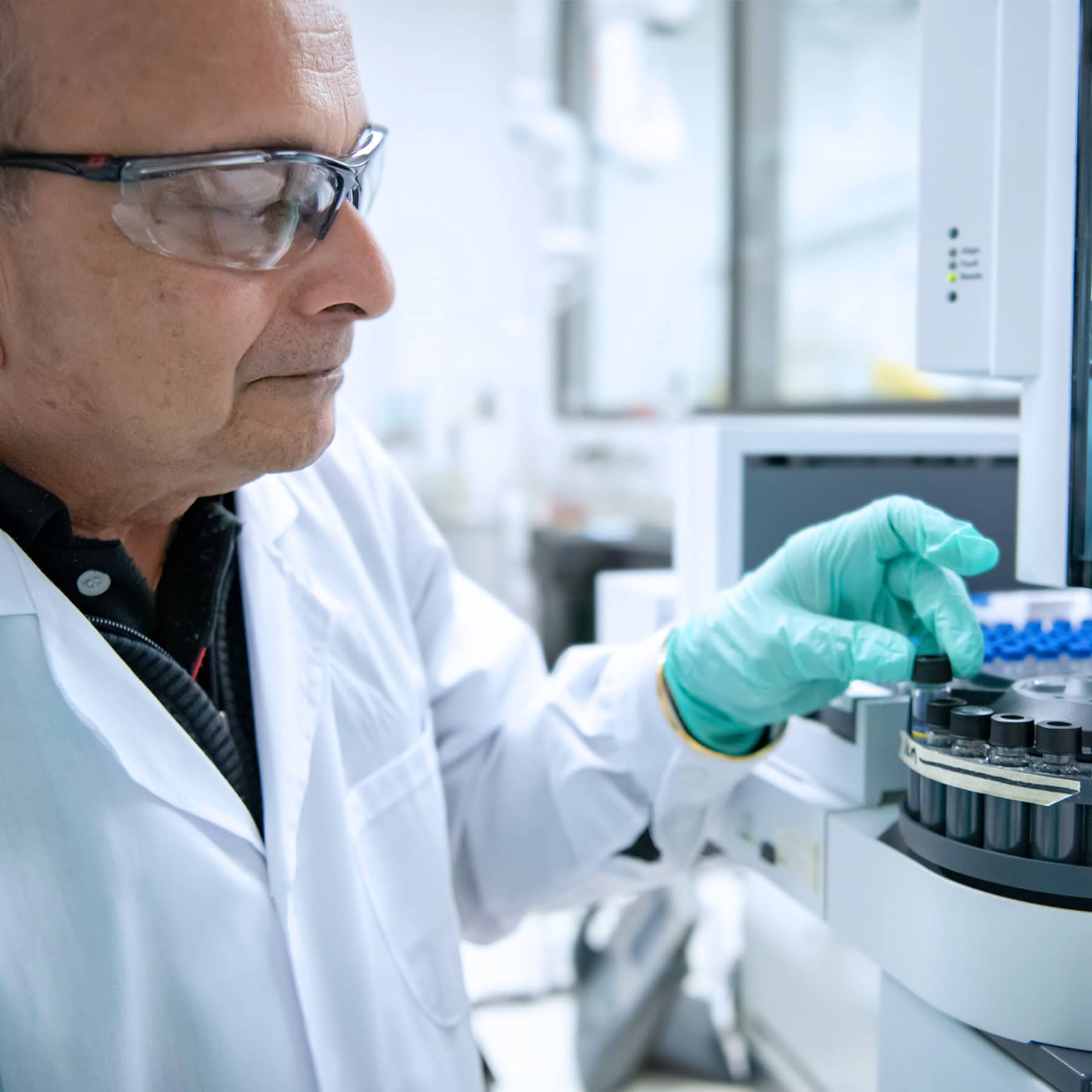
Member Spotlight: Meet Thilini Dissanayake
This member spotlight is about Thilini Dissanayake, a graduate student member of…
November 18, 2024
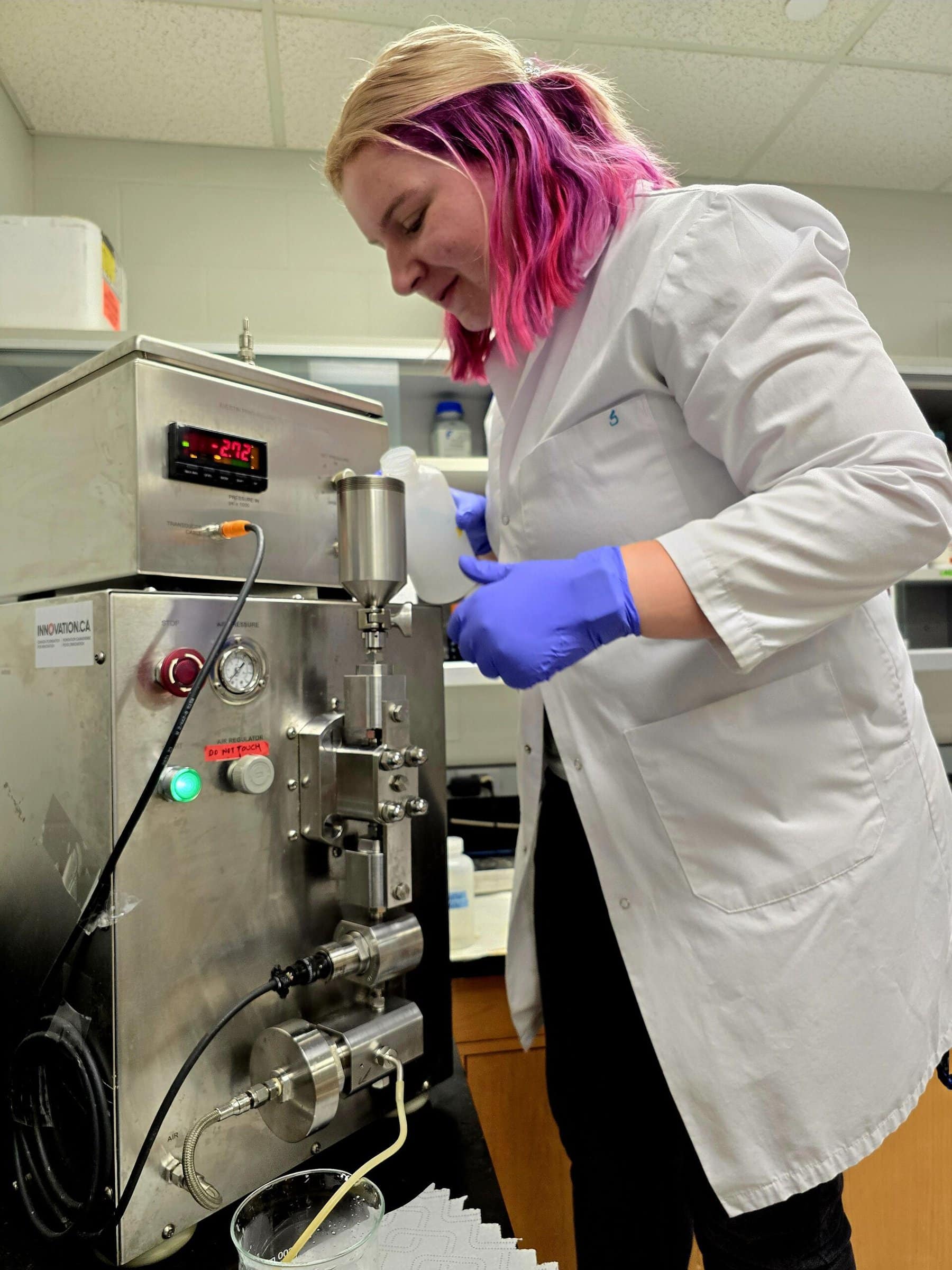
Member Spotlight: Meet Camrynn Simon
Camrynn Simon is a master’s student in the Food Colloids Lab at…

November 18, 2024
Member Spotlight: Meet Mikael Fabritius
Mikael Fabritius is a postdoctoral researcher in the Food Sciences unit at…

In my more than 20 years of membership, I have found our community to be a consistent source of inspiration for pushing myself in my work and ultimately cultivating global solutions through shared knowledge
Silvana Martini
Department Head, Food Science and Technology, University of Nebraska, Lincoln
Become a
Corporate Member
Membership with AOCS accelerates your company’s growth. You can find your ideal suppliers and buyers, recruit top talent, and empower your technical staff to excel.


Bronze
Saybolt LP
Saybolt, a division of Core Laboratories, provides independent inspection, laboratory analysis, and…
Bronze
Dicalite Management Group LLC
Since 1928, Dicalite Management Group has been transforming the world of industrial…
Bronze
Tintometer Ltd.
Tintometer Ltd. For over 130 years, Lovibond® has specialized in manufacturing analytical products…
Featured Corporate members
Bronze
Saybolt LP
Saybolt, a division of Core Laboratories, provides independent inspection, laboratory analysis, and…
Bronze
Dicalite Management Group LLC
Since 1928, Dicalite Management Group has been transforming the world of industrial…
Bronze
Tintometer Ltd.
Tintometer Ltd. For over 130 years, Lovibond® has specialized in manufacturing analytical products…

Silver
United Soybean Board
United Soybean Board Representing the positive global impact of soy grown in…
Bronze
MECTECH Process Engineers Pvt Ltd
MECTECH Process Engineers Pvt Ltd Manufacturing and supplying turnkey projects for Edible…
Bronze
Itaconix Corporation
Itaconix Corporation Itaconix develops, manufactures, and markets specialty ingredients used by brands…
Bronze
dsm-firmernich
dsm-firmernich With dsm-firmenich, we’ve brought together a global leader in health, nutrition,…

Bronze
Cathedral Holdings
Cathedral Holdings Cathedral Holdings is a 100% employee-owned portfolio holdings company, comprised…

Bronze
American Lecithin Co
American Lecithin Co For more than 90 years, American Lecithin has continually…

Bronze
Technithon International Pte Ltd
Technithon International Pte Ltd Based in Singapore, Technithon International Pte Ltd is…